Dessert Vanilla Sponge Cake
Highlighted under: Muffin Recipes
I absolutely love making this Dessert Vanilla Sponge Cake for special occasions and family gatherings. The light and fluffy texture of the sponge, paired with its sweet vanilla flavor, brings joy to everyone around the table. I enjoy whipping up this cake because it’s surprisingly easy to make, yet it always impresses. Plus, it serves as the perfect base for layering with fruits, creams, or icings. Whether it's a birthday or a simple Sunday dessert, this sponge cake never fails to delight.
When creating this Dessert Vanilla Sponge Cake, I experimented with various techniques to achieve the lightest sponge possible. I discovered that gently folding the whipped egg whites into the batter is crucial for maintaining that airy texture. This step makes all the difference, ensuring the cake rises beautifully and has a melt-in-your-mouth quality.
While I’ve tried different flavor profiles, simplicity wins here with vanilla. A dash of high-quality vanilla extract enhances the cake’s flavor without being overpowering. The result is a tender, subtly sweet cake that pairs perfectly with any topping, making it versatile for any occasion.
Why You'll Love This Recipe
- Irresistibly fluffy and light texture
- Delicate vanilla flavor that pairs beautifully with various toppings
- Perfect for any celebration or casual dessert
Understanding the Ingredients
The main ingredient in this Dessert Vanilla Sponge Cake is all-purpose flour, which provides the structure and stability for the cake. When measuring, it’s crucial to spoon the flour into the measuring cup and level it off to avoid adding too much. Too much flour can lead to a dense cake instead of the light texture we want. Using a kitchen scale can provide more accuracy; aim for about 120 grams for each cup of flour.
Granulated sugar not only sweetens the cake but also contributes to its texture. It helps incorporate air when beaten with eggs, producing that fluffy consistency. If you're looking to reduce sugar, consider using a natural sweetener like honey or maple syrup, but be mindful that this may change the moisture content slightly; you may need to reduce other liquids by a tablespoon or two.
Baking Techniques for Success
When mixing your batter, it’s essential to fold the dry ingredients into the wet without over-mixing. Over-mixing can develop gluten, leading to a denser cake. Instead, gently incorporate until you can no longer see streaks of flour. It’s okay if the batter looks a bit lumpy; these lumps will disappear during baking, leaving you with a beautifully airy cake.
Pay close attention during baking. Start checking for doneness at the 25-minute mark by inserting a toothpick. It’s important to monitor this closely, as overbaking can lead to dry cake. You want the toothpick to come out clean, without any wet batter clinging to it, while allowing the top to become lightly golden. The cake should also spring back slightly when pressed.
Serving and Storing Your Cake
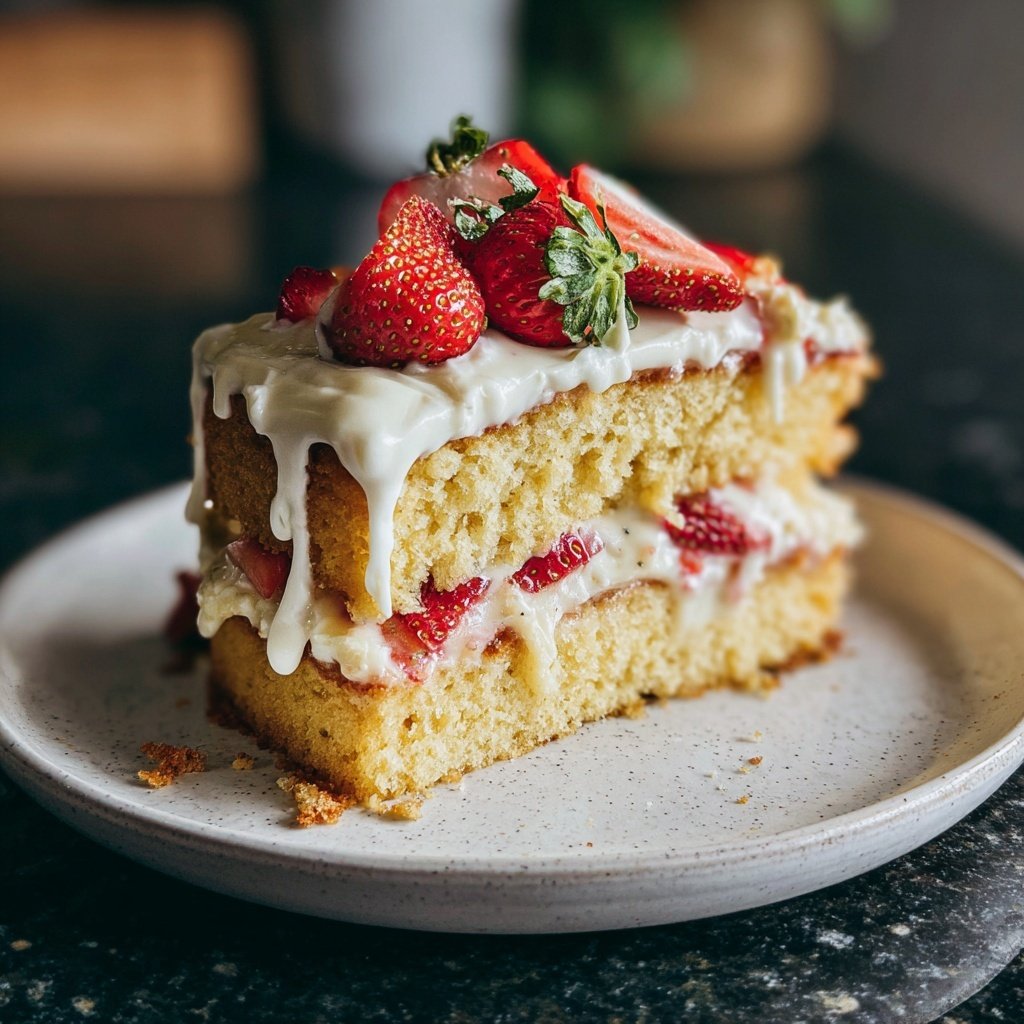
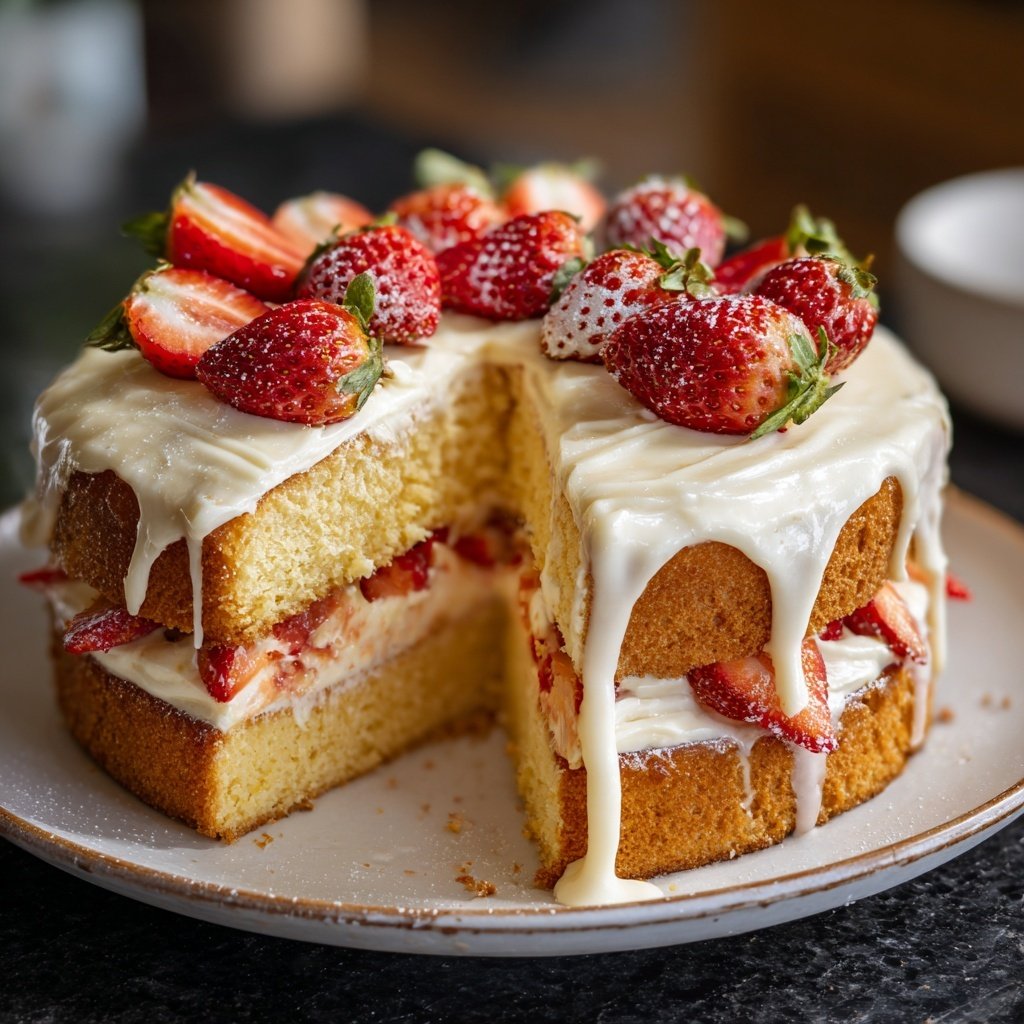
Once your cake has cooled completely, you can serve it as is or transform it into a layered creation. If you choose to layer it, consider using whipped cream and fresh berries for a refreshing contrast to the vanilla flavor. This cake is also excellent with a light dusting of powdered sugar or a drizzle of chocolate ganache for added indulgence.
If you have leftovers, store the cake in an airtight container at room temperature for up to three days. For longer storage, you can freeze the cake. Wrap slices in plastic wrap and store them in a freezer-safe bag for up to three months. When ready to enjoy, allow the cake to defrost at room temperature, or speed up the process in the microwave for a few seconds on low power.
Ingredients
Sponge Cake Ingredients
- 1 cup all-purpose flour
- 1 cup granulated sugar
- 4 large eggs
- 1/2 cup unsalted butter, melted
- 1 tablespoon vanilla extract
- 1/2 teaspoon baking powder
- 1/4 teaspoon salt
Ensure all ingredients are at room temperature for the best results.
Instructions
Preheat the Oven
Preheat your oven to 350°F (175°C). Grease and flour an 8-inch round cake pan.
Prepare the Batter
In a bowl, whisk together the flour, baking powder, and salt. In another bowl, beat the eggs and sugar until fluffy. Gradually mix in the melted butter and vanilla.
Combine Ingredients
Slowly add the dry ingredients to the wet mixture, folding gently until just combined. Be careful not to over-mix.
Bake
Pour the batter into the prepared pan and smooth the top. Bake for 30 minutes or until a toothpick inserted in the center comes out clean.
Cool and Serve
Allow the cake to cool in the pan for 10 minutes, then transfer to a wire rack. Once completely cool, it is ready to be layered or enjoyed plain.
Consider topping with whipped cream and fresh fruit for an extra treat!
Pro Tips
- For extra moisture, you can brush the cooled cake with a simple syrup made from equal parts water and sugar.
Troubleshooting Common Issues
If your sponge cake sinks in the middle after baking, it may be due to underbaking or incorporating too much air during mixing. Ensure your oven temperature is accurate; an oven thermometer can help with this. Additionally, make sure not to open the oven door too early, as this can cause a sudden drop in temperature, affecting the rise.
Sometimes, you may notice a dry texture in the cake. This can happen if the batter was overmixed or if it was baked too long. Always check for doneness a few minutes before the recommended baking time and use the toothpick test to ensure the right balance between fluffiness and moisture.
Variations to Explore
For a different flavor profile, try adding a zesty lemon or orange zest to the batter. Citrus zest complements the vanilla nicely and adds a refreshing twist to the cake. For chocolate lovers, substitute a quarter of the flour with unsweetened cocoa powder to create a rich chocolaty version while adjusting your added sugar slightly to maintain sweetness.
Consider adding a layer of jam or creamy filling between layers. A homemade fruit compote or even a chocolate mousse can transition this sponge into a stunning dessert centerpiece. Feel free to experiment with seasonal fruits to enhance the flavor, such as sliced peaches in summer or spiced apple compote in the fall.
Questions About Recipes
→ Can I use cake flour instead of all-purpose flour?
Yes, using cake flour will yield a slightly softer sponge cake.
→ How can I store leftovers?
Store the cake in an airtight container at room temperature for up to 3 days.
→ Can I freeze this cake?
Absolutely! Wrap the cooled cake tightly in plastic wrap and freeze for up to 3 months.
→ What can I use instead of eggs?
You can try using flaxseed meal or a commercial egg replacer for a vegan option.
Dessert Vanilla Sponge Cake
Created by: The Chefvictorfoods Team
Recipe Type: Muffin Recipes
Skill Level: Easy
Final Quantity: 8 servings
What You'll Need
Sponge Cake Ingredients
- 1 cup all-purpose flour
- 1 cup granulated sugar
- 4 large eggs
- 1/2 cup unsalted butter, melted
- 1 tablespoon vanilla extract
- 1/2 teaspoon baking powder
- 1/4 teaspoon salt
How-To Steps
Preheat your oven to 350°F (175°C). Grease and flour an 8-inch round cake pan.
In a bowl, whisk together the flour, baking powder, and salt. In another bowl, beat the eggs and sugar until fluffy. Gradually mix in the melted butter and vanilla.
Slowly add the dry ingredients to the wet mixture, folding gently until just combined. Be careful not to over-mix.
Pour the batter into the prepared pan and smooth the top. Bake for 30 minutes or until a toothpick inserted in the center comes out clean.
Allow the cake to cool in the pan for 10 minutes, then transfer to a wire rack. Once completely cool, it is ready to be layered or enjoyed plain.
Extra Tips
- For extra moisture, you can brush the cooled cake with a simple syrup made from equal parts water and sugar.
Nutritional Breakdown (Per Serving)
- Calories: 250 kcal
- Total Fat: 10g
- Saturated Fat: 6g
- Cholesterol: 70mg
- Sodium: 180mg
- Total Carbohydrates: 37g
- Dietary Fiber: 1g
- Sugars: 20g
- Protein: 4g